If you read this blog, you might assume it doesn’t update because I have nothing to talk about. The truth is, I have a lot I want to say, but I usually don’t feel like writing when I’m at my computer.
One thing I post a lot of is commentary …

If you read this blog, you might assume it doesn’t update because I have nothing to talk about. The truth is, I have a lot I want to say, but I usually don’t feel like writing when I’m at my computer.
One thing I post a lot of is commentary …
Note: I updated my Pebble review to mention that I got a replacement for my defective Pebble. The support process took longer than I would have liked, but the new Pebble works perfectly.
My roommate just moved into a new apartment about 10 miles away, and I plan to …
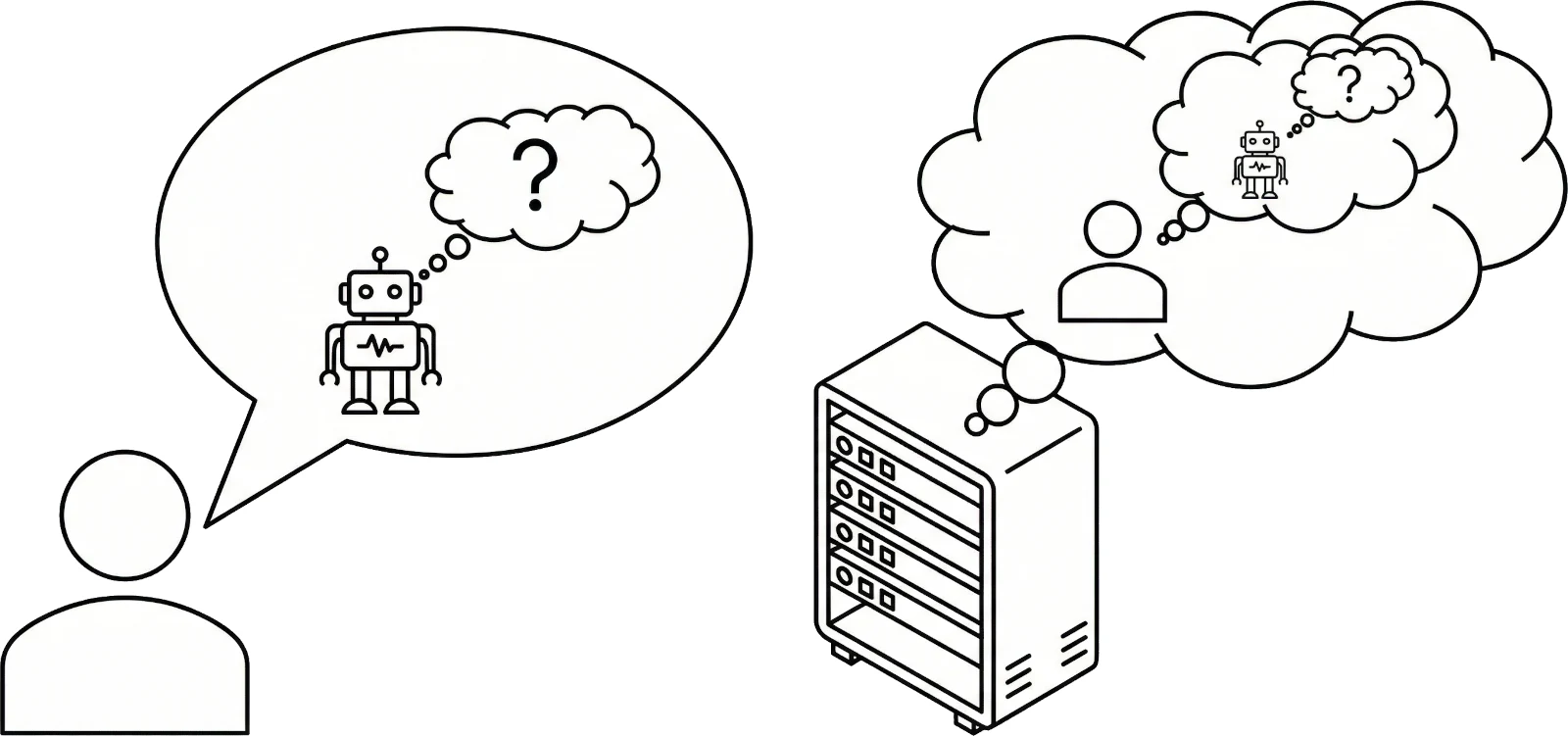
AI training data comes from humans, not AIs, so every piece of training data for “What would an AI say to X?” is from a human pretending to be an AI. The training data does not contain AIs describing their inner experiences or thought processes. Even synthetic training data only contains AIs predicting what a human pretending to be an AI would say. AIs are trained to predict the training data, not to learn unrelated abilities, so we should expect an AI asked to predict the thoughts of an AI to describe the thoughts of a human pretending to be an AI.
While writing unit tests for my C code, I decided it would be nice to run the tests in Valgrind, so I could check for memory leaks too. It turned out to be easier than I expected, but still a lot harder than it should have been.
Core.Command (and the closely-related Async.Command) is an OCaml library for creating command line programs with nice interfaces (including help text and argument parsing). This article is an overview of Command.Param, the newer interface for defining your command’s arguments (replacing Command.Spec).