I’m part of a small Discord server and thought it would be funny to make a Geoguessr-style game where you get presented with a random interesting message from the server and have to guess when, where and by who it was posted.


I’m part of a small Discord server and thought it would be funny to make a Geoguessr-style game where you get presented with a random interesting message from the server and have to guess when, where and by who it was posted.
There’s a popular question on the Programmers Stack Exchange site asking, “Are unit tests really that useful?” and the second answer seems to be responding to a straw-man version of automated testing. The comments show that a lot of people seem to think it’s a reasonable description, so …
I recently moved near Seattle, where traffic is terrible but there are surprisingly many bike lanes. Unfortunately, there are also a lot of hills. For a while, I would occasionally bike to work, but the hills were intimidating and I had to re-motivate myself every morning. Around a year ago, I finally gave up and just got an e-bike.

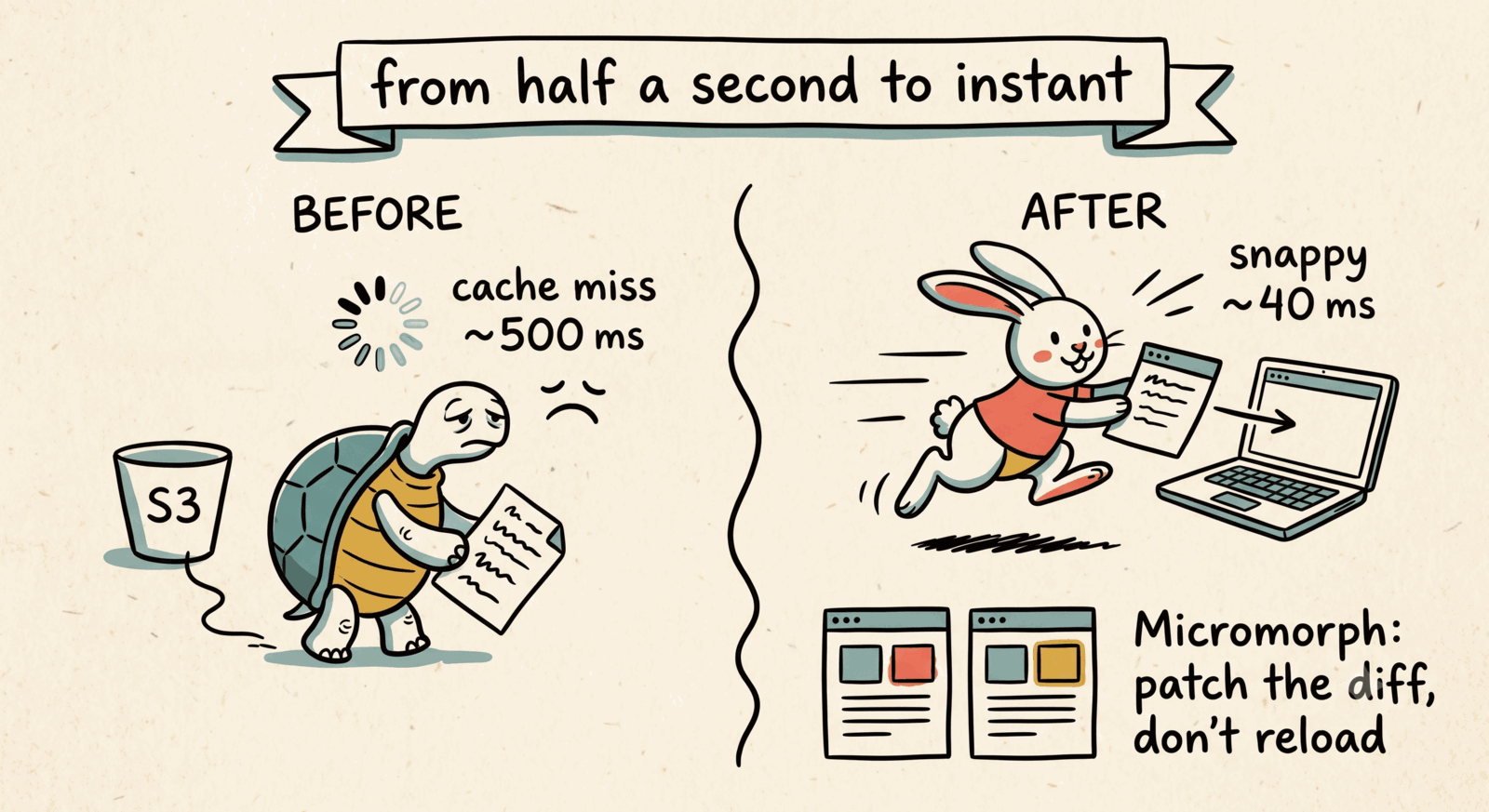
I was inspired by Turntrout to optimize my website more, and two changes took page load times from “fast enough” to “effectively instant: Switching from CloudFront to Bunny CDN to optimize CDN cache misses, and efficiently navigating with Micromorph.
My girlfriend and I both replaced our mattresses this fall. Because we have different sizes of mattresses and different preferences, and neither of our first picks worked for us, I ended up trying out almost all of the popular online mattresses. I also spent some time learning about mattresses before making my second pick, so this post will be a guide to how to pick a mattress, with some specific advice regarding the mattresses we tried.