Do you have an insatiable hunger for potatoes? Do you have a fully-sated hunger for complicated recipes and having to cook all the time? This version of Pommes Anna, simplified and altered to an extent that will make French people cry, might be the recipe for you!
Psyllium husk is a non-fermenting (no gas or bloating) soluble dietary fiber that improves both constipation and diarrhea (such as with IBS), normalizes blood sugar, reduces LDL (“bad”) cholesterol, and can help with weight loss. Each type of dietary fiber has different effects, and a “high fiber” diet in general won’t necessarily provide the same benefits, especially for conditions like Irritable Bowel Syndrome.
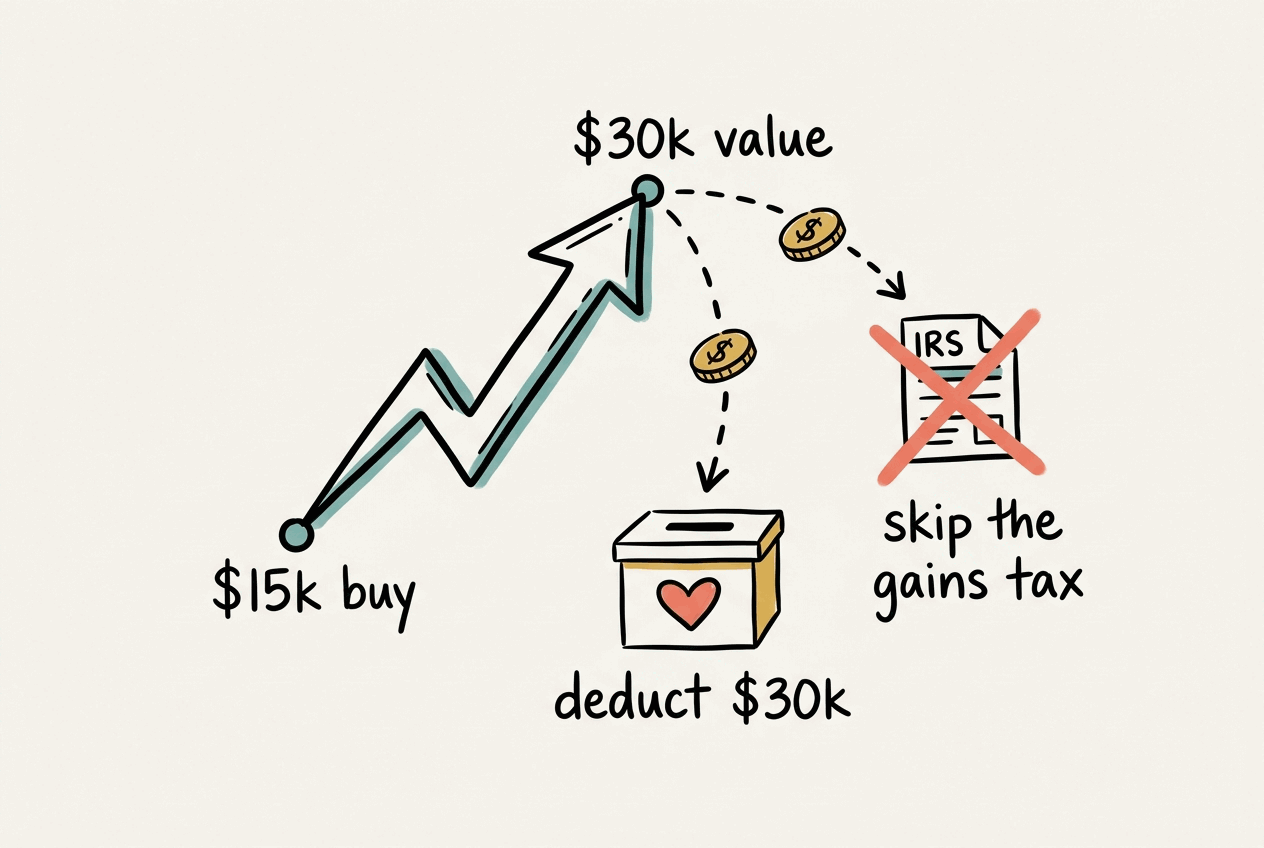
The United States has a strange (legal) tax loophole where you can double-count capital gains when donating securities (with some restrictions): If you buy a stock, the value goes up, and you’ve held it for at least a year, you can donate it and claim a tax deduction on the current market value instead of the value of what you paid for it (the cost basis), and you don’t pay taxes on the gains.
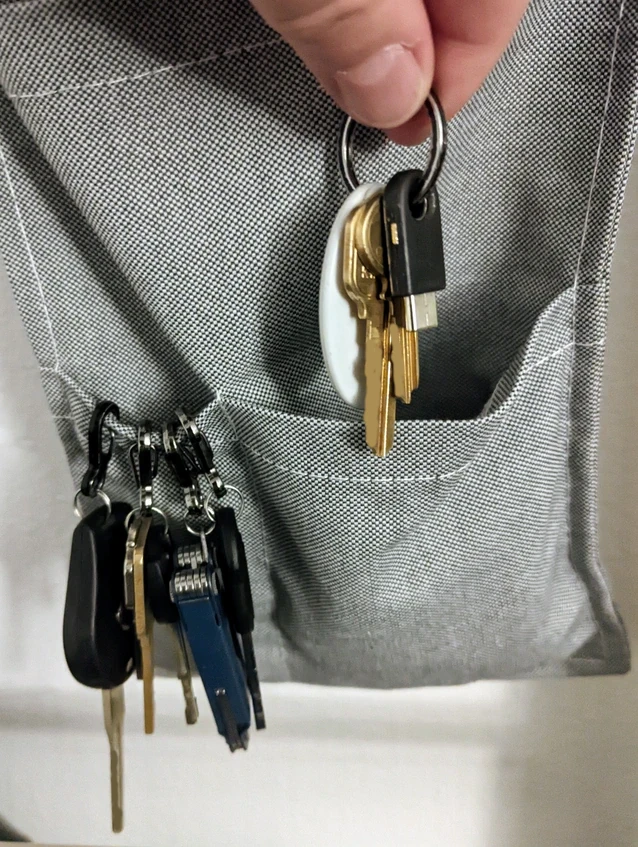
I’ve always found it annoying to have a bunch of keys in my pocket (they’re heavy, sometimes poke into you, and create weird bulges), so I try to carry as few as possible. Unfortunately, I’ve reached a point where I have a fairly large number of keys that I need …
Car side and rear-view mirrors are designed to give you a view around your car, but they typically don’t show you the two spots directly to the side of your car (the “blind spots”). Luckily, you can increase the field of view of your side mirrors by over 200% and virtually eliminate blindspots by adding aftermarket blind spot mirrors.